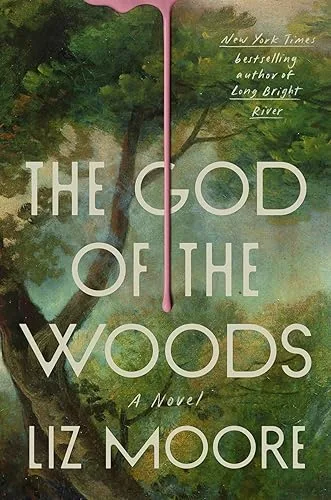
In August 1975, Barbara Van Laar vanishes from her bunk at an Adirondack summer camp. Her disappearance mirrors the unsolved vanishing of her older brother, Bear, fourteen years earlier. The narrative shifts across multiple decades, following the wealthy Van Laar family, their working-class estate staff, and the investigators tasked with finding the girl. As the search intensifies through the dense wilderness, the plot uncovers how the family’s legacy of secrets and the region’s rigid social hierarchies influenced both tragedies. The story focuses on the specific oversight and systemic failures that allowed a predator to remain hidden in plain sight.
This book is for readers of procedural mysteries and historical fiction who value intricate character studies over fast-paced action. It appeals to those interested in how class dynamics and gender roles shape criminal investigations. Readers walk away with a detailed understanding of how inherited trauma affects a community and why institutional loyalty often suppresses the truth. The conclusion provides a logical resolution to the dual timelines, offering a clear picture of the psychological motivations behind long-held family deceptions and the reality of life in isolated mountain towns.
Insights from The God of the Woods
“She was the wrong child.”
Barbara is a fascinating character to watch. She gets treated like a ghost in her own home because she survived while her brother didn't.
“The camp was a world of its own making.”
Rich people build these massive camps to hide from the world. But they just end up stuck in a smaller world they can't control.
Tracy is the only one who treats the missing girl like a real person. Everyone else sees Lulu as a symbol or a mistake.
“The forest was indifferent.”
The woods feel almost alive in the story. They don't care about your money or your family name.
- Published
- 2024
- Publisher
- Penguin
- ISBN
- 9780593418932
- Language
- EN