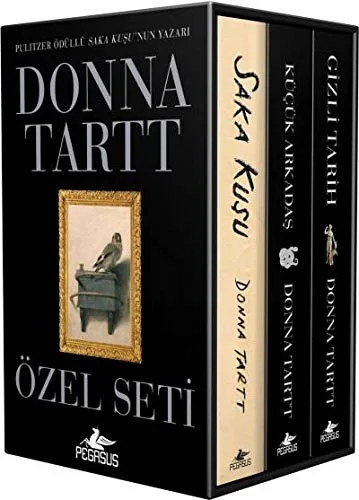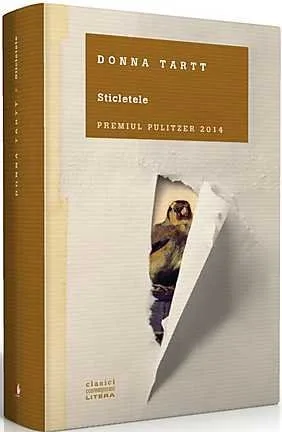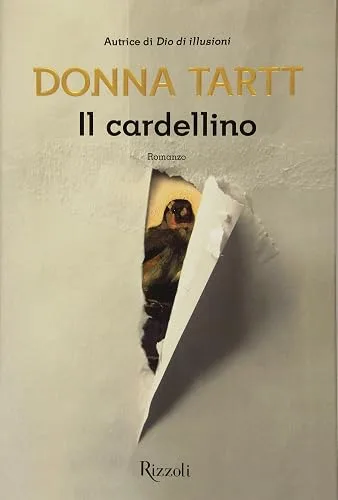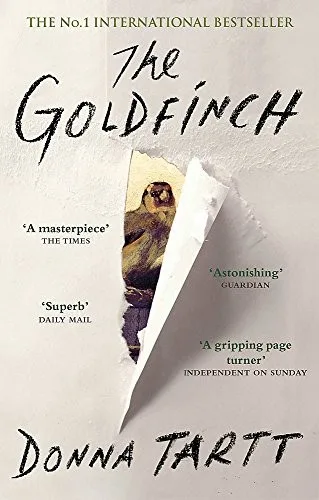
Thirteen-year-old Theo Decker survives a terrorist bombing at the Metropolitan Museum of Art, an event that kills his mother and leaves him in possession of Carel Fabritius’s 1654 painting, The Goldfinch. This small masterpiece becomes a tether to his lost past as he moves from a wealthy Park Avenue childhood to a bleak existence in the Las Vegas desert, and eventually into the underground world of antique forgery in New York. Theo navigates grief and chemical dependency while desperately hiding the stolen artwork, which links him to a circle of restorers and criminals.
This novel serves readers interested in the technical intersections of art history, object provenance, and the psychology of trauma. It appeals to those who appreciate detailed observations of craftsmanship and the persistence of physical beauty in the face of mortality. The reader gains a granular understanding of furniture restoration techniques and the ethical complexities of ownership. Ultimately, the book provides a study of how a single aesthetic object can dictate the trajectory of a human life through obsession and chance.
Insights from The Goldfinch
“Everything is better when she is here.”
Theo lost his mother in a split second. He spent the next decade trying to hold onto her through a stolen painting. It felt like grief became a physical object he had to hide.
“I'd never have gone into the museum at all.”
Life can change because you turned right instead of left. One rainy afternoon at a museum defined every single day that followed for Theo. Small choices feel heavy later on.
“Even the most badly damaged things can be restored.”
Hobie showed me that fixing broken furniture is a way of healing people. He treats wood with more kindness than most people treat each other. It made me want to slow down.
“We were like brothers, wasn't it?”
Boris and Theo survived on vodka and bad decisions in the desert. Their friendship was messy and toxic. Yet it was the only thing keeping them from disappearing.
- Published
- 2013
- Publisher
- Little, Brown
- ISBN
- 9780316055437
- Language
- EN