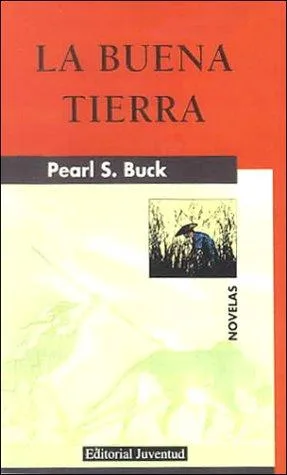
Set in pre-revolutionary rural China, the narrative follows Wang Lung, a humble farmer whose identity and survival depend entirely on his connection to his land. After marrying O-lan, a former slave from the influential House of Hwang, the couple endures cycles of extreme famine, flood, and personal hardship. Wang Lung eventually acquires vast wealth and social status as the local aristocracy declines, yet his success brings internal family discord and a growing detachment from the physical labor that initially defined his character. The story documents the shift from agrarian necessity to the complications of inherited fortune.
This book serves readers interested in the social history of the early twentieth-century Chinese peasantry and the mechanics of traditional family structures. Those who study the transition from feudalism to landed wealth read it to understand the cultural importance of ancestral land ownership and the domestic roles of women during the period. A reader walks away with a clear perspective on how economic mobility affects filial piety and how the shift from rural toil to urban luxury alters a family’s internal stability across three generations.
- Published
- 1931
- Language
- EN
![The United States in Literature [with three long stories] -- Seventh Edition](https://kwbjoqloympvbpzbrfja.supabase.co/storage/v1/object/public/scan-images/catalog/f48162c6-7eb5-41ec-933b-9c4218489c7d-full.webp)