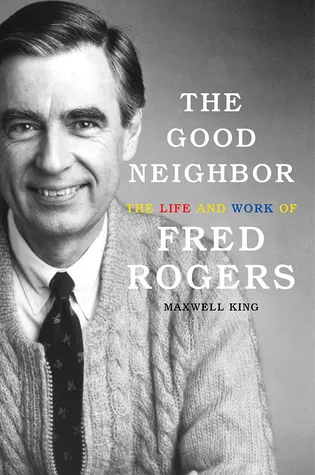
The Good Neighbor: The Life and Work of Fred Rogers
Maxwell King’s biography traces the life of Fred Rogers from his isolated childhood in Latrobe, Pennsylvania, through his theological studies and his eventual pivot to educational television. The narrative details how Rogers utilized child psychology, specifically the work of Margaret McFarland, to develop the slow-paced, honest communication style of Mister Rogers’ Neighborhood. King examines Rogers’ specific conviction that television should serve as a tool for emotional regulation and social development. He documents the creator's persistent advocacy for public broadcasting funding and his insistence on addressing difficult topics like divorce, racism, and death with a young audience.
Readers interested in the history of American media and the evolution of early childhood education will find a factual account of how one man’s rigid personal discipline shaped a cultural institution. Those who study leadership and public service read this to understand the intersection of faith and professional ethics. The book provides a technical look at the production of the show and the philosophy of "the neighbor," leaving readers with a clear understanding of the psychological frameworks and moral foundations that dictated Rogers’ television career.
Contemplative and clear-cut; an easy read.
Best for readers like The Escapist Adventurer. Which reader are you?
- Published
- 2018
- Language
- EN