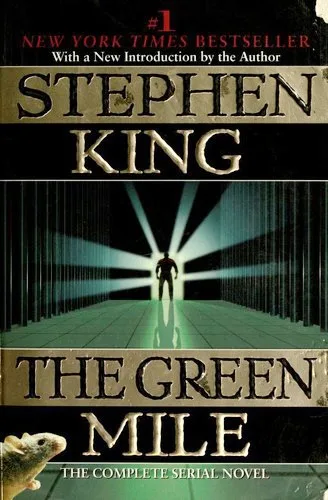
Set in 1932 at Cold Mountain Penitentiary, the story follows Paul Edgecombe, the block supervisor of E Block, where condemned inmates await the electric chair. The routine of the death house shifts when John Coffey, a towering Black man convicted of murdering two young sisters, arrives on the mile. Despite his size and the nature of his crime, Coffey exhibits a gentle temperament and possesses supernatural abilities to heal physical ailments and take away pain through touch. Paul begins to doubt Coffey’s guilt while witnessing these miracles firsthand in the shadow of impending executions.
Readers who enjoy historical fiction mixed with supernatural elements will find here a detailed look at the mechanics of capital punishment and the moral weight of legal duty. The book appeals to those interested in the contrast between human cruelty and inexplicable grace. Someone finishing this story walks away with a specific perspective on the fallibility of the justice system and the idea that true innocence can exist in the most desolate environments. It provides a grounded depiction of the Depression-era South alongside a mystery regarding divine intervention in a place of death.
Inward-looking; an easy read.
Best for readers like The Empathetic Explorer. Which reader are you?
Insights from The Green Mile
“I'm tired, boss. Tired of being on the road, lonely as a sparrow in the rain.”
John Coffey had enough power to heal a body but couldn't fix the world. It hurts to realize some people are just too soft for how harsh life is.
Paul Edgecombe spent his career watching men die. Even a good man doing a hard job carries a weight that never really lightens up.
Evil looks a lot like Percy Wetmore. It is small and mean and likes to watch things suffer just because it can.
The mouse in the cell brought more life to that block than any of the guards. Small joys feel massive when you know exactly when your time is up.
- Published
- 1996
- Language
- EN
Quotes by Stephen King
More →Books are a uniquely portable magic.
On Writing
The most important things are the hardest to say, because words diminish them.
The Body