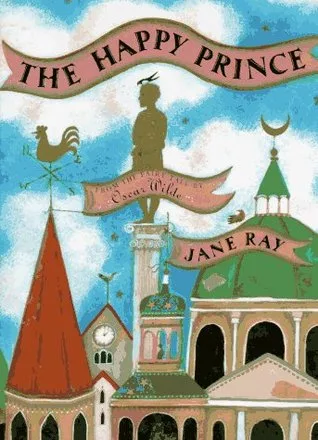
High above a city stands the gilded statue of the Happy Prince, a monument adorned with gold leaf, sapphires, and a ruby. When a migrating swallow seeks shelter at his feet, he discovers the Prince is weeping over the poverty and suffering of the townspeople. At the Prince's request, the bird cancels his flight to Egypt to become a messenger. Together, they strip the statue of its precious gems and gold to feed the hungry and clothe the shivering children, leading to the bird’s death in the winter cold and the statue’s eventual destruction.
Readers who appreciate Victorian parables or tragic fables often turn to this story to examine the tension between aesthetic beauty and moral duty. It attracts those interested in the ethical implications of social inequality and the nature of self-sacrifice. A reader walks away with a clear observation on the contrast between superficial societal values and the invisible worth of compassion, alongside a stark reminder that true charity often requires the loss of one’s own status or life.
- Published
- 1888
- Language
- EN