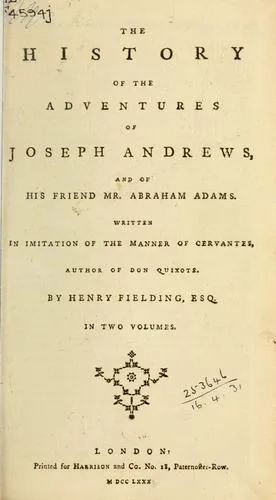
The narrative follows Joseph Andrews, a virtuous footman who is dismissed from service after resisting the aggressive sexual advances of his mistress, Lady Booby. While traveling home to marry his beloved Fanny Goodwill, Joseph reunites with Parson Adams, a learned but absent-minded clergyman. The story functions as a "comic epic-poem in prose," shifting from a parody of Samuel Richardson’s Pamela into a broader social satire. Through various roadside encounters and disputes over money and status, Fielding exposes the hypocrisy and vanity of the English clergy and upper classes.
This text attracts students of eighteenth-century literature and readers interested in the formal development of the English novel. It appeals to those who enjoy picaresque structures and satirical humor directed at institutional corruption. A reader gains a clear understanding of the mid-1700s social hierarchy and the philosophical distinction between outward religious profession and practical charity. By the end, the audience recognizes how Fielding uses ridicule to define true virtue as active benevolence rather than mere social reputation or empty piety.
Deep and thought-provoking; a moderate read.
Best for readers like The Story Seeker. Which reader are you?
- Published
- 1742
- Language
- EN