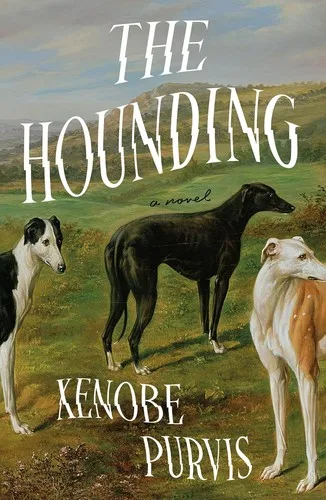
Set in the isolation of a nineteenth-century landscape, the narrative follows a protagonist pursued by an ancestral curse that manifests as a physical, relentless pursuit. The plot centers on the historical reality of rural survival and the psychological weight of inherited guilt. As the supernatural elements bleed into the daily struggles of a sequestered estate, the boundary between folklore and madness blurs. Ancient rituals and cold landscapes provide the backdrop for a story where the threat is both a literal predator and a recurring familial haunting.
Fans of gothic horror and period-accurate fiction will find a detailed study of paranoia and isolation. The book suits those who appreciate slow-burning dread and atmospheric world-building over fast-paced action. Readers finish the work with a specific understanding of how historical hierarchies and landscape shape human fear. It offers a grim, grounded perspective on the folklore of the British Isles, focusing on the sensory details of the past and the inescapable nature of biological and social legacies.
Insights from The Hounding
“She was a stranger in her own skin.”
Sanity is a thin veil. Once it rips, the ghosts of the family start to walk right through the middle of the kitchen.
“There was no going back to the way things were.”
The ending leaves you breathless because it refuses to be neat. Some things stay broken even after the truth comes out.
“The feeling of being followed was not a feeling at all. It was a fact.”
Minna feels like she is being pursued by a shadow she cannot name. It captures how grief turns every corner into a threat.
“The city was a series of traps set by people she used to know.”
London looks different when you are falling apart. The streets feel like they are closing in on her while everyone else just shops.
- Published
- 2025
- Publisher
- Henry Holt and Co.
- ISBN
- 9781250366399
- Language
- EN