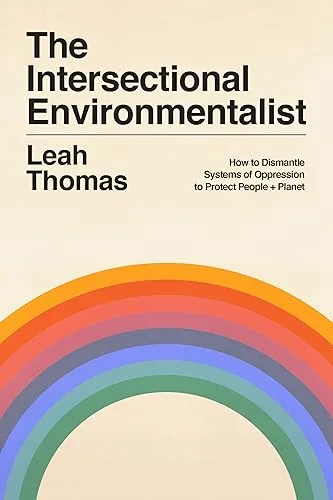
The Intersectional Environmentalist: How to Dismantle Systems of Oppression to Protect People + Planet
Leah Thomas defines the relationship between social justice and ecological preservation, arguing that environmentalism remains ineffective if it ignores the systemic inequities affecting marginalized communities. The text identifies how environmental hazards, such as air pollution and toxic waste sites, disproportionately impact low-income areas and people of color. Thomas introduces the framework of intersectionality to the green movement, detailing the shared history of civil rights and conservation efforts. She explains how specific structures, including capitalism and white supremacy, drive both human exploitation and planetary degradation, requiring a combined approach to policy and activism.
This book serves as a guide for activists and students seeking to integrate equity into their sustainability practices. Readers learn to identify environmental racism and gain tools for inclusive advocacy that protects both human rights and natural resources. The chapters provide historical context and actionable toolkits, helping those in the environmental sector shift from a narrow focus on wildlife and wilderness to a broader model of collective liberation. People walk away with a practical understanding of how to build diverse coalitions that address the climate crisis alongside social reform.
- Published
- 2022
- Language
- EN