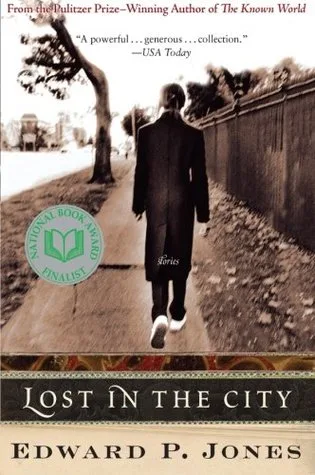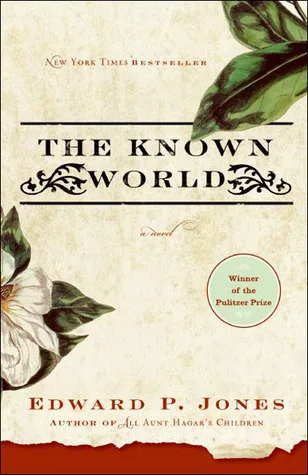
Set in antebellum Virginia, the narrative centers on Henry Townsend, a black man who, having purchased his own freedom, becomes a master himself and owns thirty-three slaves. When Henry dies young, his widow Caldonia struggles to manage the plantation, triggering a systemic breakdown of social and legal order in Manchester County. Jones charts the lives of the enslaved people, the white neighbors, and free black families through a non-linear timeline that includes future historical records and census data. The story documents the bureaucratic reality of chattel slavery, detailing property deeds, manumission papers, and the specific mechanics of human ownership within a complex racial hierarchy.
Readers of structural historical fiction value this book for its objective, detached examination of power dynamics and moral complicity. It appeals to those interested in the legal and economic intricacies of the American South rather than standard plantation tropes. A reader walks away with a technical understanding of how the institution of slavery corrupted every marriage, friendship, and contract it touched. The text provides a rigorous look at the specific administrative and psychological contradictions required for one human to justify owning another.
Deep, inward-looking, contemplative and thought-provoking; a moderate read.
Best for readers like The Wisdom Collector. Which reader are you?
- Published
- 2003
- Language
- EN