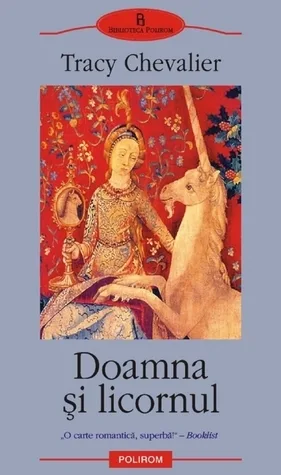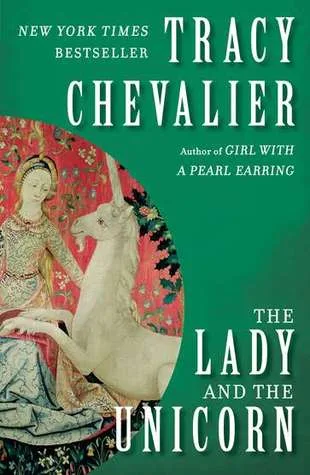
In 1490s Paris, nobleman Jean Le Viste commissions a set of six tapestries to display his status. The story follows Nicolas des Innocents, a miniature painter hired to design the patterns, as he moves between the aristocratic household and the weaving workshops of Brussels. The narrative tracks the physical production of these textiles, detailing the technical demands of the mille-fleurs style and the dyeing of wool. Interactions between the artist, the weaver Georges de la Chapelle, and the women in their orbit reveal the social hierarchy and gender constraints of the late Middle Ages.
Art historians and fans of historical fiction read this book to understand the craftsmanship behind medieval decorative arts. The text provides a technical look at the life of artisans, from the logistics of setting up a loom to the extraction of natural pigments. Readers walk away with a specific perspective on how the Lady and the Unicorn tapestry cycle transitioned from a conceptual sketch to a physical masterpiece. It serves as a study of the friction between creative ego and the manual labor required to produce enduring cultural artifacts.
- Published
- 2003
- Language
- EN