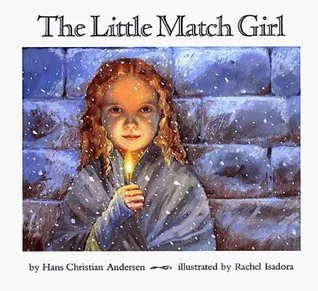
On a freezing New Year’s Eve, a young girl wanders the streets barefoot, unable to return home because she has not sold any matches. To keep warm, she huddles in an alley and strikes her matches one by one against the wall. Each spark produces a vivid hallucination: a warm iron stove, a grand holiday feast, and a glittering Christmas tree. When she sees a shooting star, she recalls her deceased grandmother. The final matches reveal a vision of the old woman, who carries the girl away to heaven before the morning arrives.
This story serves as a stark introduction to social inequality and the plight of the impoverished for young readers. Students and parents use this text to discuss empathy and the physical realities of cold and hunger. The reader encounters an unsentimental depiction of Victorian poverty and the contrast between private abundance and public suffering. One walks away with a clear understanding of how imagination serves as a coping mechanism for hardship and a somber perspective on the finality of death.
Insights from The Little Match Girl
Living in a city full of people doesn't mean anyone sees you. Many neighbors walked right past that freezing girl without a glance.
“it was a wonderful light.”
Small comforts like a warm stove or a holiday dinner can feel like miracles when you have nothing. Those matches were her only way to reach those dreams.
Jerry Pinkney sets the story in 1920s New York. It makes the struggle feel closer and more real than a distant fairy tale.
“Granny! oh, take me with you!”
Grandmothers represent a kind of safety that never really leaves us. She was the only person who had ever been kind to the girl.
- Published
- 1845
- Publisher
- Puffin Books
- ISBN
- 9780142301883
- Language
- EN