The Little Prince
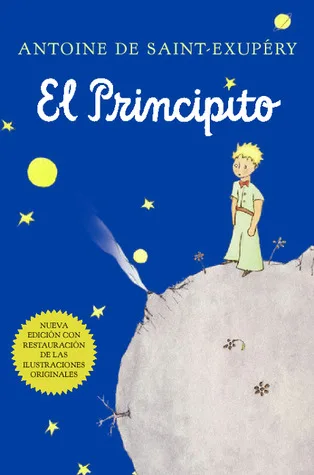
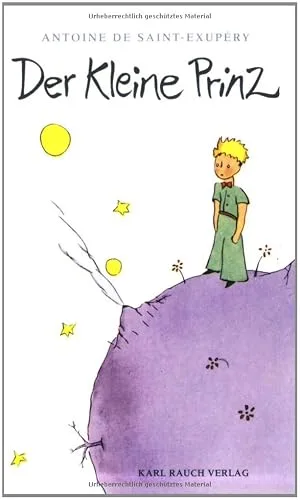
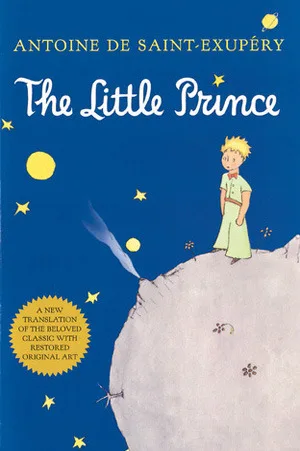
After a pilot crash-lands his plane in the Sahara Desert, he encounters a blond boy known as the Little Prince who traveled from Asteroid B-612. The prince recounts his visits to other small planets inhabited by solitary adults, including a king, a businessman, and a lamplighter, whose preoccupation with vanity and math blinds them to the beauty of their surroundings. On Earth, the prince befriends a wild fox who explains that taming another creates a unique bond of responsibility. Through these interactions, the prince realizes his love for a single rose back on his home world, concluding that the most vital aspects of existence are invisible to the physical eye.
This book serves adults and young readers seeking a meditation on human psychology and social behavior. Readers find a framework for distinguishing between the trivial demands of grown-up life and the sincerity of emotional connections. It provides a specific lens for viewing friendship and grief, teaching that one becomes forever accountable for what they have nurtured. By the end, the reader understands the necessity of maintaining a child’s capacity for wonder and direct honesty in a world often focused on accumulation and status.
Insights from The Little Prince
“Grown-ups love figures.”
Grownups love numbers more than stories. They care about how much a house costs instead of the flowers in the windows.
“You become responsible, forever, for what you have tamed.”
The fox taught me that being special takes work. You become responsible for anything you spend your time on.
“It is the time you have wasted for your rose that makes your rose so important.”
A single rose matters more than a whole garden if you're the one who watered it. Connection makes things unique.
“Anything essential is invisible to the eyes.”
The most important things are felt rather than seen. Eyes can be tricked by what is right in front of them.
- Published
- 1943
- Publisher
- Harcourt, Inc.
- ISBN
- 9780152023980
- Language
- EN