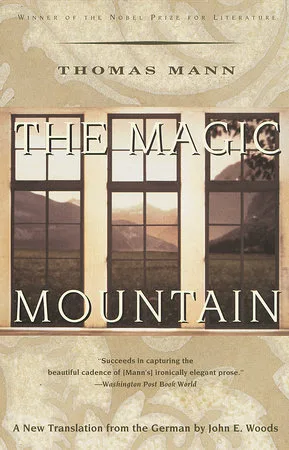
Hans Castorp, a young engineer, visits his cousin at a tuberculosis sanatorium in the Swiss Alps, intending to stay for three weeks. Instead, he remains for seven years, caught in the isolated, morbid atmosphere of the Berghof. The narrative tracks his intellectual development through protracted debates between the humanist Settembrini and the Jesuit-educated totalitarian Naphta. These characters represent the clashing ideologies of pre-World War I Europe, discussing the relationship between sickness and genius, the nature of time, and the tension between Enlightenment reason and irrational romanticism.
This book serves readers interested in the intellectual history of Europe and the psychological impact of prolonged isolation. Those who study philosophy or historical sociology read it to see the transition from 19th-century optimism to the fractured modernization of the 20th century. A reader walks away with a detailed understanding of how a closed environment alters internal time perception and how physical illness can serve as a vessel for social and political allegory.
Deep, inward-looking, contemplative, open-ended and thought-provoking; a demanding read.
Best for readers like The Wisdom Collector. Which reader are you?
- Published
- 1924
- Language
- EN