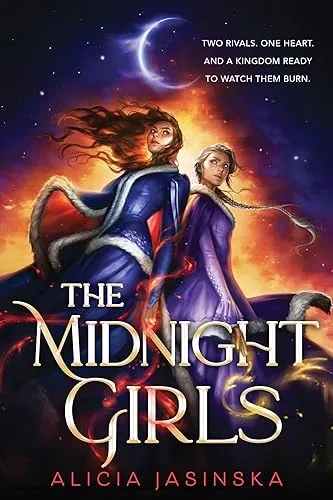
In the kingdom of Lechija, two rival witches, Zosia and Marynka, compete to steal the enchanted heart of a pure-hearted prince during the Midwinter festivities. Set against a backdrop of snowy forests and Slavic-inspired folklore, the girls use forbidden magic and deception to outmaneuver one another for the favor of the Midnight Queen. Their contest turns personal when they develop romantic feelings for each other, forcing a choice between their individual survival, their magical ambitions, and their growing connection while a deadly supernatural threat looms over the celebration.
Readers of dark fantasy and sapphic romance gravitate to this story for its atmospheric world-building and the intense dynamic between the two protagonists. The narrative appeals to those who enjoy moral ambiguity and the friction of a rivals-to-lovers arc. Readers walk away with a vivid understanding of Polish-inspired myths and a conclusion that addresses whether ambition can coexist with vulnerability. It is chosen by fans of fairy-tale retellings who prefer sharp edges and winter scenery over traditional heroics.
Insights from The Midnight Girls
“I would burn the world down just to keep you warm.”
Saving someone often means letting go of your own armor. Maryna had to stop being a hunter to finally see Zosia clearly.
“I am not a girl. I am a knife.”
Watching them compete for the pure heart made me think about how we perform for people who don't care about us. They were losing themselves just to please a ghost.
“We are girls of dust and starlight, and we were never meant to be kind.”
Monsters are usually just girls who were never given a choice. Zosia's cruelty comes from a place of survival rather than true malice.
Beata represents a normalcy that the others can never have. Her presence highlights how much Maryna has sacrificed just to stay alive.
- Published
- 2021
- Publisher
- Sourcebooks Fire
- ISBN
- 9781728210018