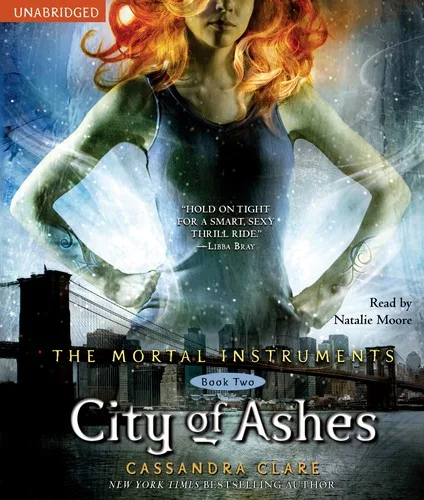
In the final installment of the series, Sebastian Morgenstern leads an army of Endarkened warriors to systematically destroy the Shadowhunter Institutes. Using the Infernal Cup to turn peaceful Nephilim into mindless soldiers, he forces the remaining protagonists into a corner. Clary Fray, Jace Herondale, and their companions must retreat to the demon dimension of Edom to stage a final stand. The narrative focuses on the logistical challenge of traversing hellish landscapes and the magical cost required to seal the rifts between worlds, concluding with a permanent shift in the political structure of the Downworld and the Clave.
This book serves readers who follow high-stakes urban fantasy and demand resolution for long-standing character arcs. It addresses those interested in the mechanics of supernatural warfare and the consequences of magical pacts. Readers gain a complete map of the series' mythology and see the definitive outcome of the struggle against the Morgenstern lineage. This closure provides a clear ending to the central conflict while establishing the new laws and social dynamics that will govern future interactions between humans, demons, and celestial beings in this specific fictional universe.
Practical, clear-cut and escapist; an easy read.
Best for readers like The Escapist Adventurer. Which reader are you?
Insights from The Mortal Instruments 6
“We are all the pieces of what we remember.”
Magnus losing his father's favor showed his internal struggle. He pretends to be shallow but cares so deeply. His immortality feels more like a burden here.
“To love is to destroy, and to be loved is to be the one destroyed.”
The ending at the lake felt like a full circle. Everything started there and had to end there. It gave the whole journey a sense of peace.
“Life is a book, and there are a thousand pages I have not yet read.”
Seeing the demon realms made the stakes feel terrifyingly real. It wasn't just about New York anymore. The whole world felt fragile.
“He was my son.”
Jocelyn seeing the boy Sebastian could have been was a gut punch. It shows that grief is about what was lost and what never existed. Mothers carry that weight forever.
- Published
- 2014
- Language
- EN