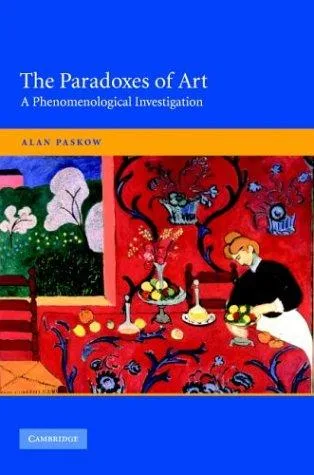
In "The Paradoxes of Art," Alan Paskow addresses the ontological status of fictional entities and why humans feel genuine emotions toward characters they know do not exist. Utilizing a phenomenological framework heavily influenced by Heidegger, Paskow argues against the analytic view that fictional worlds are merely mental simulations or sets of propositions. He asserts that when a viewer engages with a painting or a literary protagonist, they inhabit a shared space where these figures function as "quasi-real" presences. This perspective shifts the focus from aesthetic detachment to a state where the imaginary world penetrates the viewer’s actual reality, demanding a personal, moral, and emotional response.
This book serves philosophers of art, phenomenologists, and students of aesthetics who seek an alternative to formalist or purely cognitive theories of representation. Readers gain a technical vocabulary for explaining the deep psychological intimacy established between a physical observer and an inanimate object. By working through Paskow’s arguments, the reader identifies how their own identity is shaped by fictional encounters, walking away with a systematic explanation for the profound influence of art on human consciousness and subjective truth.
Deep, contemplative and open-ended; a demanding read.
Best for readers like The Literary Connoisseur. Which reader are you?
- Published
- 2004
- Language
- EN

