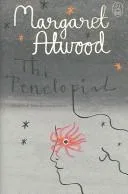
In this novella, Penelope speaks from the underworld to recount her life in Ithaca during the twenty-year absence of Odysseus. She details the management of her estate, the persistent threat of the suitors, and her strategic use of weaving to delay their advances. Simultaneously, a chorus of twelve maids—whom Odysseus executed upon his return—interrupts the narrative using poetry, song, and drama. These maids challenge the traditional heroic account, accusing Penelope of complicity in their deaths and describing the systemic violence they endured as domestic slaves.
Readers of feminist reinterpretations and Greek mythology will find an alternative perspective on the domestic labor and survival tactics required of women in the ancient world. The book serves those interested in how historical narratives silence marginalized voices and justify collective violence. The reader walks away with a skeptical view of Homeric heroism and a ledger of the human costs hidden behind classical legends. It provides a technical study of how shifting the point of view changes the moral standing of a familiar mythic protagonist.
Insights from The Penelopiad
“The gods are never more dangerous than when they’re offering you a gift.”
The gods are mostly just bored and cruel. They mess with humans for fun. It makes you realize how lonely it is to be at the bottom of that ladder.
Telemachus grew up without a father and turned into a bit of a jerk. He treated his mother like a piece of property. It makes the homecoming feel much less sweet.
“I was a stick used to beat other women with.”
Waiting is its own kind of violence. Penelope spent two decades unraveling a shroud every night. Her life was defined by what she didn't do.
“Now that I’m dead I know everything.”
Penelope had to be cold just to stay alive. She spent years being the perfect wife while secretly terrified of her own maids. It shows how much women hide behind a calm face.
- Published
- 2005
- Publisher
- Canongate U.S.
- ISBN
- 9781841957173
- Language
- EN