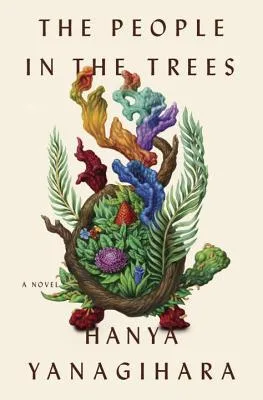
Norton Perina, an ambitious young immunologist, travels to the remote Micronesian island of Ivu'ivu in 1950 to investigate a lost tribe. He discovers that the islanders achieve biological immortality by consuming the meat of a rare turtle species, though this longevity comes at the cost of total mental decay. Perina's subsequent extraction of these secrets earns him a Nobel Prize and facilitates the colonization and ecological collapse of the island. The narrative is framed as Perina’s own memoir, edited by a loyal colleague while the scientist serves a prison sentence for sexual abuse.
This novel is for readers who examine the ethical contradictions of scientific advancement and the legacy of colonial exploitation. It attracts those interested in the unreliable narrator trope, as the text forces the audience to reconcile a character’s intellectual achievements with his moral depravity. Readers finish the book with a dark understanding of how cultural arrogance and personal ego can destroy both ecological systems and human lives. The story provides a stark look at the transactional nature of discovery and the high price of objective knowledge.
Insights from The People in the Trees
“The great tragedy of my life is that I have been right.”
Perina discovers the turtles and thinks he found the secret to life. He actually found a way to ruin a whole culture.
Living forever sounds like a dream. Seeing the Ivu'ivu people lose their minds while their bodies stay young is pure horror.
“Everything was a specimen. Everything was a discovery.”
Scientists often believe their curiosity justifies any amount of damage. Perina treats an entire island like his private laboratory.
Ronald Kubodera keeps making excuses for his friend. It shows how easily we ignore evil when it comes from someone we admire.
- Published
- 2013
- Publisher
- Vintage
- ISBN
- 9780385536783
- Language
- EN