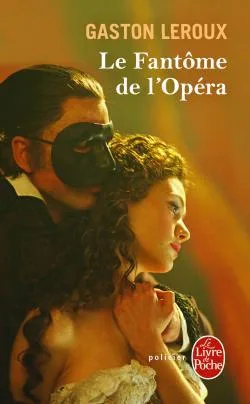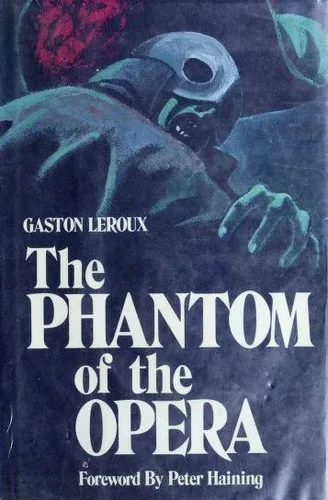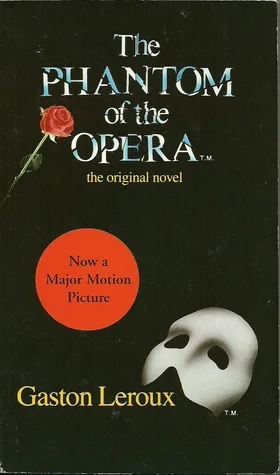
Beneath the gilded architecture of the Palais Garnier, a disfigured man named Erik exerts control over the Paris Opera House through extortion and secret passageways. Living in a subterranean lair, this self-styled Opera Ghost develops a fixation on Christine Daaé, a chorus girl with untapped vocal potential. Erik provides her with private music lessons while masquerading as the Angel of Music. When Christine chooses to rekindle a romance with the Vicomte Raoul de Chagny, Erik resorts to kidnapping and architectural sabotage, utilizing a series of traps and illusions to force her into a domestic arrangement.
This novel serves readers interested in the bridge between nineteenth-century Gothic horror and early detective fiction. It appeals to those who enjoy technical descriptions of trapdoors, pulleys, and the structural layouts of historical landmarks. Readers walk away with a detailed understanding of the physical environment of the French opera and the technical mechanisms used to create theatrical spectacles. The text provides a case study in how social isolation and physical deformity contribute to criminal behavior and psychological instability in a protagonist.
Insights from The Phantom of the Opera
“Poor, unhappy Erik!”
Erik is just a man who never felt a single kind touch. It makes his cruelty feel so much heavier when you realize he is just desperate for one person to stay.
“He is the Angel of Music.”
Christine is stuck between childhood memories and a terrifying adult reality. She clings to the idea of an Angel because the truth of the cellar is too much to bear.
Raoul acts like a hero but he is mostly just a jealous boy. He can't handle that Christine has a secret world he can't enter.
“The Opera was built on a lake.”
The opera house itself feels like a living creature with lungs and secrets. All those trap doors and mirrors make it impossible to know what is real.
- Published
- 1910
- Publisher
- Harper Perennial
- ISBN
- 9780060809249
- Language
- EN