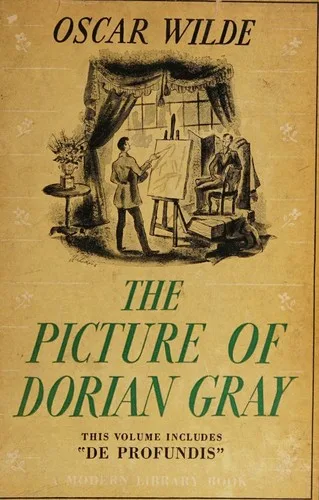
In the novel, Dorian Gray remains physically youthful while his painted portrait recording his moral decay and aging in secret. Influenced by Lord Henry’s hedonistic philosophy, Dorian pursues sensory pleasure and remains unpunished for his cruelty until the canvas reflects a monstrous image of his soul. The accompanying letter, De Profundis, written by Wilde during his imprisonment at Reading Gaol, documents his personal suffering and financial ruin. It examines his relationship with Lord Alfred Douglas and his eventual identification with the sorrow of the Christ figure.
This volume serves readers interested in the tension between aestheticism and traditional morality. Those who study Victorian social structures or the history of criminalized identity find a contrast between the fictional pursuit of indulgence and the reality of state-sanctioned punishment. The reader exits with a specific understanding of how Wilde viewed the consequences of vanity and the psychological impact of public disgrace and solitary confinement.
- Published
- 1926
- Language
- EN