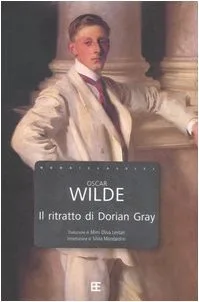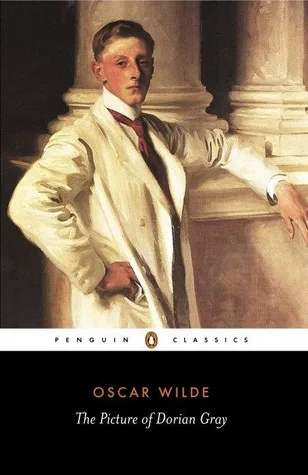
In London’s high society, the artist Basil Hallward paints a portrait of a handsome young man named Dorian Gray. Influenced by the hedonistic philosophy of Lord Henry Wotton, Dorian wishes that the canvas would age while he remains forever youthful. His wish is granted. As Dorian descends into a life of cruelty, debauchery, and hidden crime, his physical appearance stays flawless. Meanwhile, the hidden oil painting transforms into a hideous record of his moral rot, reflecting every sin and act of malice through physical deformity and corruption.
This novel appeals to readers of Gothic fiction and those interested in the decadence movement of the nineteenth century. It serves as a study of the tension between aesthetic beauty and internal morality. Readers find a cautionary narrative regarding the pursuit of pleasure without consequence. The text provides a specific look at late-Victorian anxieties about art, obsession, and the dual nature of the human psyche, leaving the audience to consider whether an image can truly capture the weight of a person's soul.
Insights from The Picture of Dorian Gray
“It is only shallow people who do not judge by appearances.”
The book makes me think about how we treat beautiful people. We assume they are good just because they look nice.
“There is no such thing as a good influence. All influence is immoral.”
Dorian tries to do one good deed at the end to fix the face on the canvas. It fails because he only did it for himself.
“I don't want to be at the mercy of my emotions. I want to use them, to enjoy them, and to dominate them.”
Dorian starts so innocent in that garden. It is scary how fast someone can rot when they stop feeling consequences.
“Influence is immoral. To influence a person is to give him one's own soul.”
Lord Henry treats people like science experiments. He says the most clever things but he never actually risks his own soul.
- Published
- 1890
- Publisher
- Lulu.com
- ISBN
- 9780359788330
- Language
- EN