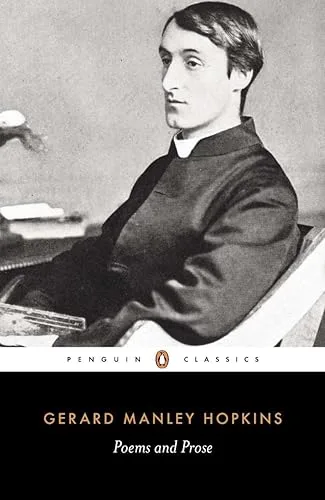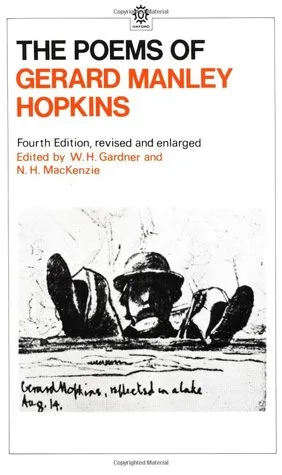
This collection introduces Gerard Manley Hopkins’ signature structural innovation, sprung rhythm, which mirrors the natural cadences of English speech rather than traditional metrical feet. The poems document a Jesuit priest’s internal tension between his religious devotion and his sensory appreciation of the physical world. Hopkins employs dense alliteration and compound adjectives to capture what he calls inscape, the unique internal identity of a living thing, and instress, the divine energy that transmits that identity to an observer. The verses move from technical observations of nature to meditations on spiritual despair.
Metrical theorists and students of prosody read this volume to study the mechanics of non-traditional rhythm and complex internal rhyme schemes. Philosophers and readers interested in theological aesthetics use these poems to understand how linguistic precision can represent metaphysical conviction. The reader acquires a vocabulary for describing the granular details of the natural landscape and a framework for viewing physical matter as a direct expression of faith. Retaining the patterns of these verses provides a method for perceiving individuality in common objects through rigorous observation.
- Published
- 1918
- Language
- EN