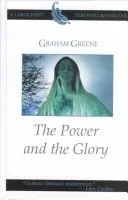
Set in 1930s Mexico during the Cristero War, the narrative follows a nameless whiskey priest fleeing a paramilitary police force. The anticlerical socialist government has outlawed Catholicism, executing clergy or forcing them into marriage. The protagonist is an alcoholic who fathered a child in secreto, yet he continues to perform illicit sacraments for fearful villagers while being hunted by an idealistic lieutenant. The story culminates in a trap where the priest must choose between his personal safety and his religious duty to provide final confession to a dying criminal.
Readers interested in the conflict between secular idealism and religious fallibility find here a study of moral hierarchy. It attracts those who value character studies where the hero is physically and morally compromised rather than saintly. The audience learns that institutional grace can persist through a flawed human medium. Readers walk away with a specific perspective on how suffering and failure function within a theological framework, observing the distinction between an individual’s personal vices and their professional obligations to a community.
- Published
- 1940
- Language
- EN
![उस रात के बाद [Us Raat Ke Baad]](https://kwbjoqloympvbpzbrfja.supabase.co/storage/v1/object/public/scan-images/catalog/53673b08-18d0-4f03-8e5f-04a98899e36f-full.webp)