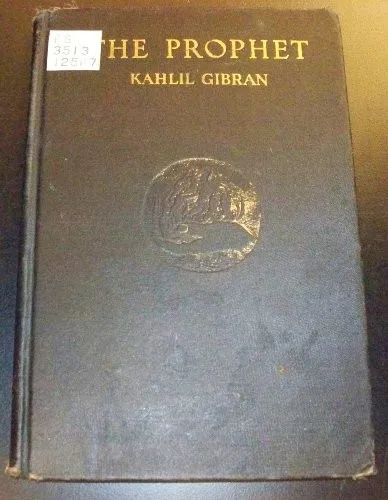
The narrative centers on Almustafa, a prophet who has lived in the foreign city of Orphalese for twelve years. As he waits for the ship that will carry him back to his birthplace, a crowd gathers to seek his final counsel. Through twenty-six poetic essays, he addresses specific human conditions including the legalities of marriage, the rhythm of physical labor, the balance between pain and pleasure, and the inevitability of death. He argues that spiritual fulfillment is found in everyday conduct and the recognition of the divine within oneself.
This work serves individuals seeking a philosophical framework for navigating the social and emotional structures of daily life. Readers look to these pages for a secular yet spiritual perspective on interpersonal relationships and personal ethics. They finish the text with a redefined view of their local responsibilities and a clearer understanding of how to reconcile individual freedom with communal living. It functions as a roadmap for internal character development and the objective evaluation of one’s own behavior within a cultural context.
Deep, inward-looking, contemplative and open-ended; a moderate read.
Best for readers like The Mindful Reader. Which reader are you?
Insights from The Prophet
“And the oak tree and the cypress grow not in each other's shadow.”
Love needs space to breathe. Marriage is like two pillars holding up a roof. They stand together but never too close.
“The selfsame well from which your laughter rises was oftentimes filled with your tears.”
Sorrow and joy come from the same well. The deeper grief carves into you, the more room you have for happiness later.
“And if you cannot work with love but only with distaste, it is better that you should leave your work.”
Work is just love made visible. Building a house or weaving a cloth is how we share our souls with others.
“Your children are not your children. They are the sons and daughters of Life's longing for itself.”
Children belong to the future. We can give them our love but never our thoughts. They have their own paths.
- Published
- 1900
- Publisher
- Rupa & Co
- ISBN
- 9780001000391
- Language
- EN