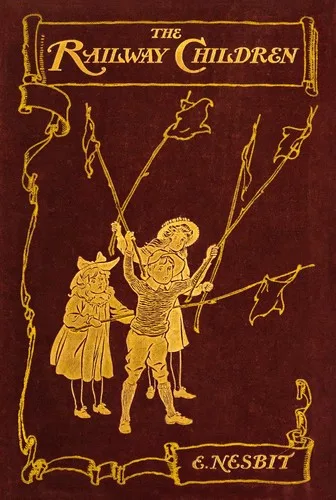
After their father is arrested on false charges of espionage, the three Waterbury siblings—Roberta, Peter, and Phyllis—move from a comfortable London life to a modest cottage near a rural railway line. The narrative tracks their daily encounters with the Great Northern Railway, where they befriended a frequent traveler they call the Old Gentleman and a local porter named Perks. The children spend their time preventing a train derailment, rescuing a runner in a tunnel, and navigating the social friction of their sudden poverty while their mother writes stories to provide basic sustenance.
Readers of historical children's fiction or Edwardian literature turn to this book for its depiction of early twentieth-century social dynamics and childhood independence. The text serves those interested in how families navigate sudden class displacement and legal injustice without losing domestic stability. By the final chapter, the reader understands the mechanics of small-town charity and the specific protocols of the steam-engine era. It offers a clear look at how children exercise agency through observation and persistence when adult structures fail them.
- Published
- 1900
- Language
- EN