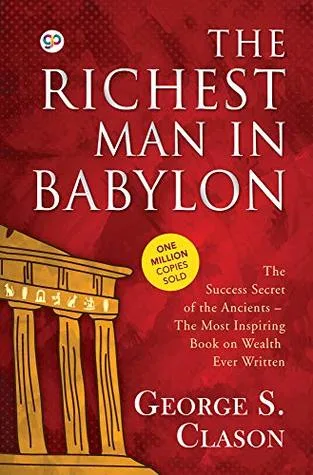
The Richest Man in Babylon
Set in the ancient city of Babylon, this collection of parables conveys financial principles through the stories of characters like Arkad, a charioteer’s son who becomes the city's wealthiest citizen. The narrative outlines specific fiscal rules known as the Seven Cures for a Lean Purse and the Five Laws of Gold. Key concepts include keeping one-tenth of all earnings for oneself, investing capital in ventures where the principal is safe, and consulting experts rather than amateurs when making financial decisions to ensure long-term wealth accumulation.
This book serves individuals seeking a foundational framework for personal money management and debt reduction. Readers turn to these stories to move past a paycheck-to-paycheck cycle and establish a disciplined savings habit. By applying the logic of compounding interest and controlled expenditure, the reader walks away with a practical strategy to build a private fortune and achieve financial autonomy using a fixed portion of their current income.
Practical, outward-looking, growth-minded and clear-cut; an easy read.
Best for readers like The Practical Optimizer. Which reader are you?
- Published
- 1926
- Language
- EN
More by George S. Clason
See all →
Books like The Richest Man in Babylon
See all 12 →