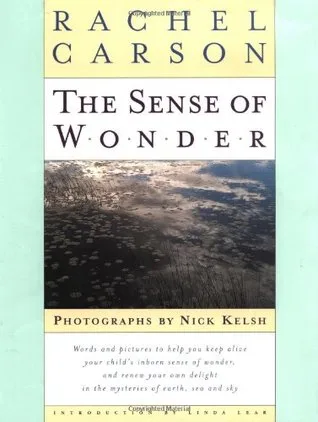
Rachel Carson argues that a lifelong curiosity about nature begins with shared observations between a child and a trusted adult. Based on experiences with her nephew on the Maine coast, the text outlines how to notice patterns in lichen, the textures of forest moss, and the sounds of the night sky without needing formal scientific training. Carson emphasizes sensory engagement—feeling the rain, hearing the wind, and watching the tide—over the memorization of biological names. She posits that an emotional response to the earth provides the foundation for intellectual inquiry later in life.
Parents, educators, and mentors read this book to learn how to foster environmental awareness in the next generation. It provides a blueprint for a non-technical approach to the outdoors, focusing on the preservation of a child’s capacity for awe. Readers walk away with specific techniques for nocturnal walks and coastal exploration, gaining a perspective that prioritizes observation over instruction. The text assists adults in reclaiming their own curiosity while ensuring that children develop a lasting psychological connection to the biological world.
- Published
- 1965
- Language
- EN