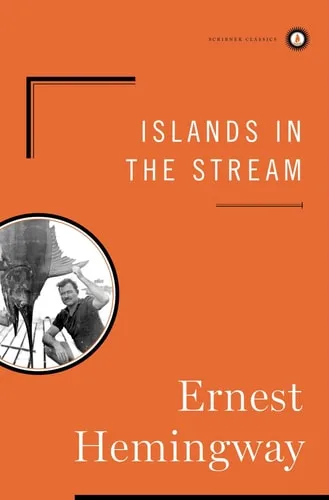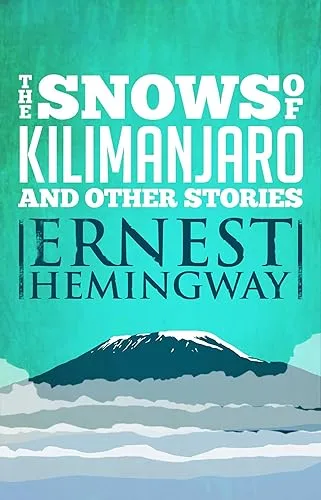
Harry, a writer dying of gangrene while on an African safari, lies at the base of Mount Kilimanjaro and catalogues his professional failures. As he faces a looming death, he recalls the specific sensory details of his past—the cold air of the Black Forest, the bars of Paris, and the soldiers in the trenches—realizing that his comfort and wealth eventually stifled his artistic ability. The broader collection includes stories like The Short Happy Life of Francis Macomber, which focuses on a man’s sudden discovery of courage during a buffalo hunt and his wife’s subsequent betrayal.
This collection serves readers who value technical precision and the stripped-down prose style associated with mid-century American realism. Those interested in the psychological effects of war, the mechanics of big-game hunting, and the specific tension between men and women find these narratives useful for their lack of sentimentality. A reader walks away with a clear understanding of how regret functions at the end of a life and how physical environments shape human character.
- Published
- 1936
- Language
- EN
Quotes by Ernest Hemingway
More →Courage is grace under pressure.
There is nothing noble in being superior to your fellow man; true nobility is being superior to your former self.
The world breaks everyone, and afterward, many are strong at the broken places.
A Farewell to Arms