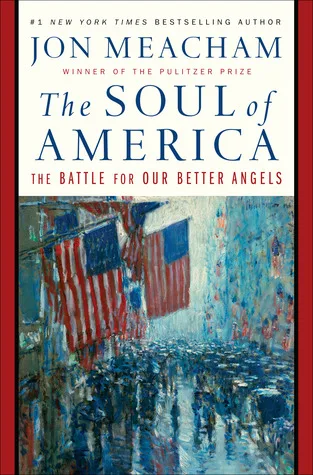
Jon Meacham examines historical periods of intense civil unrest and political division in the United States to argue that the country’s progress relies on overcoming recurring impulses of fear and tribalism. He focuses on specific eras, including the post-Civil War Reconstruction, the women’s suffrage movement, the rise of the Ku Klux Klan in the 1920s, and the McCarthyism of the 1950s. By analyzing the rhetoric and decisions of presidents like Abraham Lincoln, Theodore Roosevelt, and Lyndon B. Johnson, the text details how leadership and grassroots activism have previously countered isolationism and domestic extremism.
This book is intended for readers interested in how historical patterns repeat during modern political crises. It provides a framework for understanding that current partisan hostilities are not unique to the present day. Readers walk away with a chronological perspective on how American institutions have survived previous threats to civil rights and democratic norms. The material offers specific historical examples of how public opinion shifts through the influence of executive moral leadership and sustained civic engagement.
- Published
- 2018
- Language
- EN
More by Jon Meacham
See all →
Readers also enjoyed