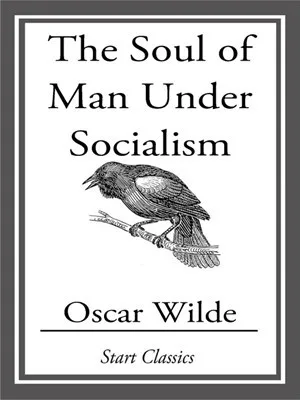
Oscar Wilde argues that the abolition of private property is the necessary precursor to true Individualism. He contends that the burden of ownership and the necessity of charity stifle human creativity, forcing the poor to focus on survival and the rich to focus on accumulation. Wilde envisions a version of Socialism where the state handles manual labor through automation, freeing every citizen to pursue artistic creation, scientific inquiry, or intellectual contemplation. He rejects authoritarian collectivism, asserting that any system utilizing compulsion would destroy the personal autonomy required for human perfection.
Artists and political theorists read this text to understand the intersection of aestheticism and social liberty. It appeals to readers who find traditional labor structures restrictive and seek a framework where personal expression is the highest priority. The reader finishes the essay with a specific logic for why economic reform is a prerequisite for spiritual and creative flourishing. It provides an argument for a society that values the unconventional person over the obedient worker, suggesting that the ultimate goal of political change is the complete realized freedom of the individual.
- Published
- 1891
- Language
- EN
More by Oscar Wilde
See all →


Readers also enjoyed