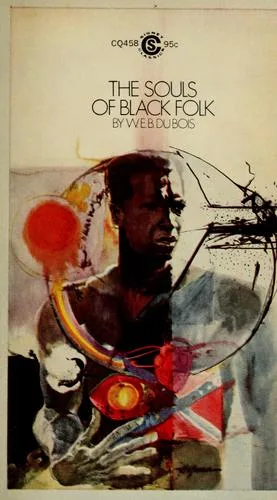
Published in 1903, this collection of essays and sketches analyzes the psychological and social state of Black Americans following the Reconstruction era. Du Bois introduces the concept of the veil, a metaphorical barrier that separates races, and double-consciousness, the internal conflict of viewing oneself through the eyes of a racist society. He critiques Booker T. Washington’s emphasis on vocational training, arguing instead for the higher education of the Talented Tenth to secure civil rights. The text combines sociological data on rural Georgia with autobiographical accounts and musicology regarding the Sorrow Songs.
Historians, sociologists, and students of American civil rights read this work to understand the origins of twentieth-century racial theory. It appeals to those looking for a foundational intellectual defense of liberal arts education and political agitation over economic submission. Readers walk away with a specific vocabulary for describing the tension between African heritage and American identity. The book provides a structural map of how systemic inequality persists after the legal end of chattel slavery.
- Published
- 1903
- Language
- EN
![The United States in Literature [with three long stories] -- Seventh Edition](https://kwbjoqloympvbpzbrfja.supabase.co/storage/v1/object/public/scan-images/catalog/f48162c6-7eb5-41ec-933b-9c4218489c7d-full.webp)