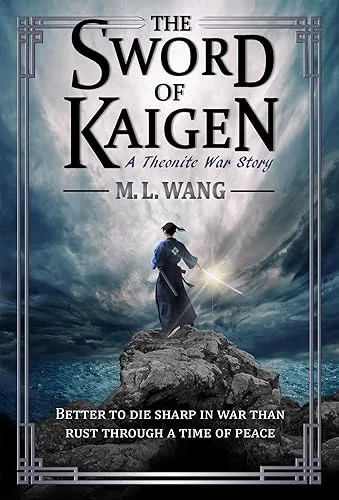
On the frozen Takayubi peninsula, the Matsuda clan serves as the Shirojima Empire’s defensive shield, using hereditary water-manipulation techniques to crystallize moisture into lethal ice blades. Misaki, a mother who suppressed her warrior past to marry into this rigid, patriarchal family, notices the cracks in the empire's propaganda as an invasion looms. Her eldest son, Mamoru, begins questioning the official history taught at his academy while training for a war that arrives with brutal, unceremonious violence. The story documents the logistical and emotional reality of a local conflict where traditional martial honors collide with modern industrial warfare.
Fantasy readers who prioritize internal character psychology over expansive world-building will find a focused study of domestic duty and suppressed identity. The narrative offers a detailed look at how historical revisionism functions within a military state and how trauma persists across generations. Readers walk away with a clinical understanding of the physical toll of magical combat and a perspective on how inherited family expectations dictate individual survival. This is for those who want a tragic depiction of how ordinary people navigate the collapse of their national myths.
Escapist; a moderate read.
Best for readers like The Escapist Adventurer. Which reader are you?
Insights from The Sword of Kaigen
“Life is a series of losses.”
Grief changes the shape of a home. The house feels different when a voice you expect to hear is gone forever.
Forgiveness is not about forgetting what happened. It is about deciding you want a future more than you want revenge.
“She was a fighter who had learned to be a mother.”
Misaki hides her true self for years just to be a good wife. It is heartbreaking to see her sword gather dust while she plays a part.
“Propaganda is a powerful thing.”
Mamoru realizes his whole life is built on a lie from his government. That moment on the mountain changes everything for him.
- Published
- 2019
- Publisher
- Amazon Digital Services
- Language
- EN