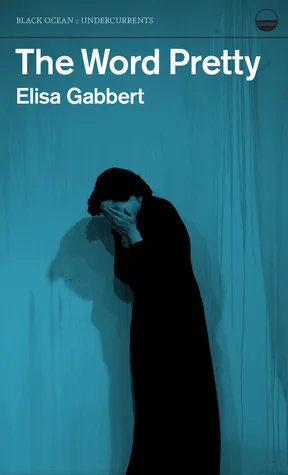
In this collection of nonfiction pieces, Elisa Gabbert analyzes how humans perceive and process large-scale disasters in an era of constant digital stimulation. She examines the psychology of "pre-traumatic stress," the fascination with nuclear accidents like Chernobyl, and the cultural obsession with apocalyptic scenarios. Gabbert connects historical events, such as the 1918 flu pandemic and the eruption of Mount Vesuvius, to modern anxieties surrounding climate change and data surveillance. The text focuses on the friction between tangible tragedy and the filtered, often distorted way we consume world-ending news through screens.
Readers interested in cognitive science, media theory, and environmental history will find these essays useful for understanding their own technological fatigue. People who manage chronic anxiety regarding global catastrophes read this book to see how selective memory and disaster fatigue shape public reaction. The reader gains a clearer framework for distinguishing between actual physical danger and the performative dread of the internet. By the final page, one understands the specific biological and social mechanisms that make it difficult to grasp the true scale of a crisis until it is too late.
- Published
- 2020
- Language
- EN
More by Elisa Gabbert
See all →
Readers also enjoyed