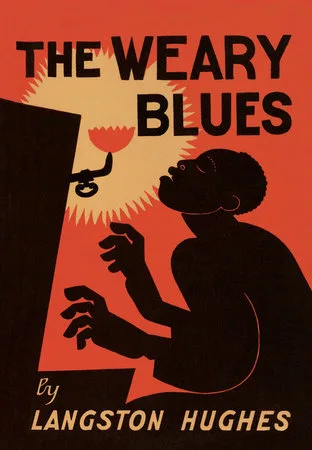
Langston Hughes’s debut collection translates the rhythms of Harlem nightlife and the structure of African American musical traditions into written verse. The opening title poem recounts a scene in a Lenox Avenue bar where a musician performs a melancholic blues melody on a weathered piano. Hughes utilizes the twelve-bar blues structure and AAB rhyme schemes to capture the specific cadence of urban jazz. Beyond the music, the poems document the physical landscape of the Harlem Renaissance, describing smoky cabarets, tenement houses, and the weary labor of the working class. The text examines the tension between racial pride and the exhaustion caused by structural inequality.
Readers interested in the intersection of sonic art and literature study this book to understand how vernacular speech and musical syncopation function on the page. Musicians and historians use these poems to map the cultural geography of New York City in the mid-1920s. A reader finishes the collection with a technical understanding of lyrical improvisation and a concrete record of the emotional state of black urban life during this period. It provides a formal framework for how oral traditions can be preserved through high-modernist poetry.
- Published
- 1925
- Language
- EN
![The United States in Literature [with three long stories] -- Seventh Edition](https://kwbjoqloympvbpzbrfja.supabase.co/storage/v1/object/public/scan-images/catalog/f48162c6-7eb5-41ec-933b-9c4218489c7d-full.webp)