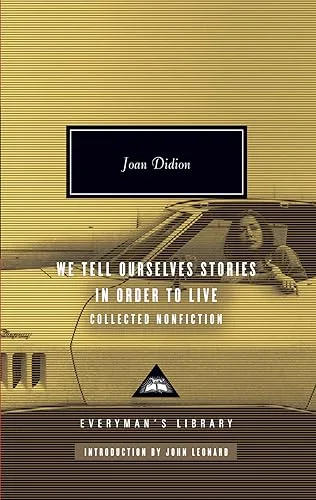
Joan Didion’s collection of essays documents the fragmentation of California life during the late 1960s and 1970s. The title essay functions as a mosaic of cultural snapshots, weaving together the trial of the Manson Family, recording sessions with The Doors, and the governor’s mansion in Sacramento. Didion analyzes the collapse of traditional narrative structures, arguing that the chaotic events of the decade no longer fit into a coherent moral or social framework. She examines specific landmarks like the Getty Museum and the Hoover Dam to illustrate how infrastructure and architecture attempt to impose order on a volatile landscape.
Historians and students of literary journalism read this work to understand the psychological climate of post-war America. Readers gain a technical blueprint for the New Journalism style, which prioritizes the observer's internal state as a metric for cultural shifts. The text provides a precise look at how political movements and social trends disintegrate into individual experiences of paranoia and alienation. By the end, the reader understands the specific cultural transition from the optimism of the early sixties to the cynical, fragmented reality that followed.
- Published
- 1979
- Language
- EN
More by Joan Didion
See all →




Readers also enjoyed