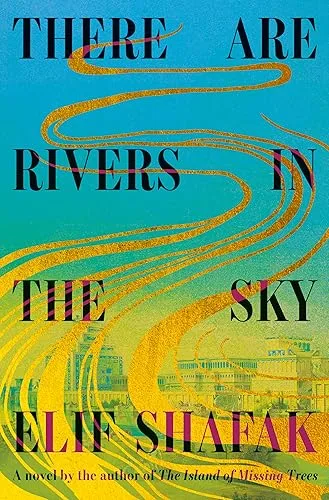
The narrative follows a single drop of water across centuries, linking three distinct lives shaped by the Tigris and Thames rivers. In seventh-century Nineveh, King Ashurbanipal assembles a vast library of clay tablets. In Victorian London, Arthur is born into poverty but becomes obsessed with the Epic of Gilgamesh, eventually seeking the lost ruins of Mesopotamia. Finally, in 2014, a young Yazidi girl named Narin faces the destruction of her homeland and culture. These timelines converge through the physical movement of water and the shared human endeavor to preserve memory and ancient poetry against the erasure of time and conflict.
Readers of epic historical fiction and environmental literature will find a detailed study of how water cycles connect disparate geographies and eras. The book appeals to those interested in archaeology, the history of the British Museum, and the specific cultural heritage of the Middle East. One walks away recognizing the physical permanence of the natural world compared to the fragility of human empires. It provides a concrete look at how historical artifacts are recovered, interpreted, and lost through the lens of those who live on the margins of great discoveries.
- Published
- 2024
- Language
- EN