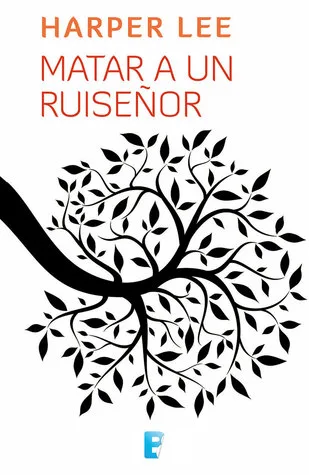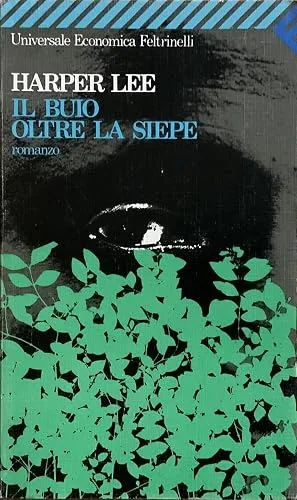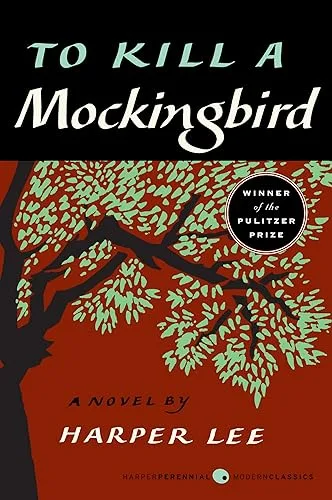
Set in the Alabama town of Maycomb during the Great Depression, the story follows young Scout Finch and her brother Jem. Their father, Atticus Finch, is a lawyer appointed to defend Tom Robinson, a Black man falsely accused of raping a white woman. As the trial progresses, the children confront the rigid social hierarchy and racial prejudices of their neighbors. Parallel to the legal drama, Scout and Jem become obsessed with a reclusive neighbor, Boo Radley, moving from fear-based superstition toward a grounded understanding of his humanity.
This novel serves readers interested in the tension between individual morality and communal tradition. Those who study historical social structures read it to observe how institutional legal systems often fail when confronted with deep-seated cultural bias. A reader walks away with a clear perspective on the loss of childhood innocence and the practical difficulty of maintaining personal integrity within a hostile society. The text provides a framework for recognizing how empathy functions as a defense against inherited hatred.
Insights from To Kill a Mockingbird
Mayella Ewell is a villain who deserves our pity. She is trapped in a house of hate. She destroyed a man to feel some power.
“In our courts, when it's a white man's word against a black man's, the white man always wins.”
The trial is a slow motion train wreck. You keep hoping the truth matters. Then you realize logic can't beat a deep seated grudge.
Small towns are just cages with pretty fences. Everyone knows your business and your father's sins. You never truly get a fresh start.
“You never really understand a person until you consider things from his point of view.”
Watching Scout learn that Boo Radley was just a guy looking out for them hit me. Real monsters are usually the neighbors you think are normal.
- Published
- 1960
- Publisher
- Harper Perennial Modern Classics
- ISBN
- 9780060935467
- Language
- EN