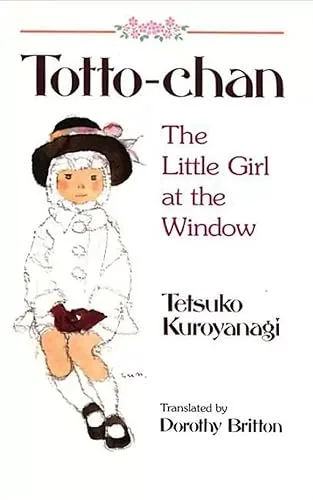
Tetsuko Kuroyanagi recounts her childhood experiences at Tomoe Gakuen, an experimental elementary school in Tokyo during World War II. After being expelled from a conventional school for her restless behavior, young Totto-chan is enrolled in Sosaku Kobayashi’s institution, where classrooms are repurposed railroad cars. Kobayashi implements a child-centered pedagogy focusing on individual pacing, rhythmic music education called eurhythmics, and student choice in daily lessons. The narrative documents Totto-chan’s interactions with diverse peers and a headmaster who validates her curiosity rather than punishing her nonconformity.
Educators and parents read this memoir to understand how non-traditional environments support neurodivergent or unconventional learners. It provides a practical case study of how empathy and physical flexibility in a school setting foster emotional security. Readers gain a perspective on the importance of listening to children’s logic and the long-term impact of a positive academic start. The text serves as a reference for implementing holistic teaching methods that prioritize a student's innate personality over rigid standardized curricula.
Inward-looking, contemplative and clear-cut; an easy read.
Best for readers like The Escapist Adventurer. Which reader are you?
- Published
- 1981
- Language
- EN
Books like Totto-chan: The Little Girl at the Window
See all 12 →