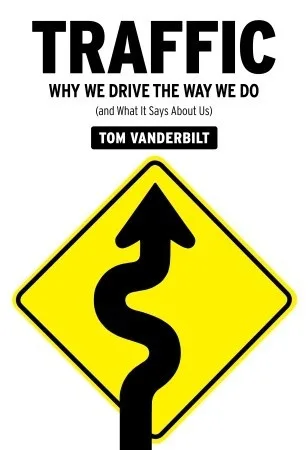
Traffic: Why We Drive the Way We Do and What It Says About Us
Tom Vanderbilt analyzes the psychological and sociological forces that govern human behavior behind the wheel. He explains why wider lanes often lead to more accidents due to a false sense of security and how the zipper merge reduces congestion despite seeming counterintuitive to polite drivers. The text examines the "late merger" phenomenon, the inefficiency of searching for the perfect parking spot, and how anonymity inside a vehicle triggers aggressive social interactions. Vanderbilt uses traffic flow theory and cognitive science to show that roads are complex social environments where individual perceptions of risk rarely align with statistical reality.
People interested in urban planning, behavioral economics, and human error read this book to understand the hidden logic of daily commutes. It appeals to readers who want to know why the other lane always moves faster and how infrastructure design influences personal decision-making. The reader gains a technical understanding of induced demand and the limits of human reaction time. They walk away with a shifted perspective on road safety, viewing traffic not as a series of random delays, but as a predictable result of flawed human intuition meeting physical constraints.
- Published
- 2008
- Language
- EN
More by Tom Vanderbilt
See all →
Readers also enjoyed