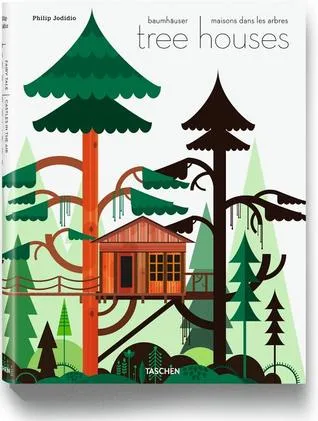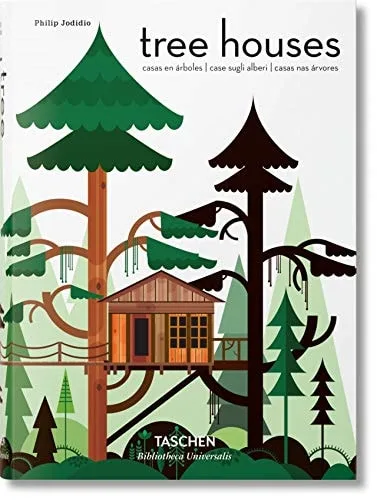
Philip Jodidio documents the intersection of modern structural engineering and nature through a collection of international arboreal projects. The book examines fifty unique structures, ranging from mirrored cubes in Swedish forests to biological, bulbous pods in Canada. It details how architects navigate the constraints of living trees, focusing on suspension systems, weight distribution, and ecological footings that prevent trunk damage. Through technical descriptions and high-resolution photography, Jodidio explains how these dwellings utilize remote materials and sustainable energy sources while maintaining stability in high winds and shifting branches.
Architects and design enthusiasts read this volume to understand how unconventional sites dictate form and function. Readers learn specific methods for integrating high-tech amenities into small-scale, elevated spaces without traditional foundations. The book serves as a reference for lightweight construction and timber framing, leaving the reader with a clear view of how luxury and minimalism coexist within fragile ecosystems. It provides a practical look at how builders solve the logistical puzzles of height, access, and environmental preservation in forest environments.
Insights from Tree Houses
Me sorprendió que algunas estructuras modernas usen tecnología de la NASA para no dañar el tronco. El respeto por el árbol es más importante que la estética.
Las cabañas japonesas en el aire me hicieron pensar en el silencio de otra forma. Son espacios mínimos diseñados solo para tomar té y observar el bosque.
“El árbol es el primer rascacielos de la naturaleza.”
Escalar hasta tu cama te obliga a dejar atrás las preocupaciones del suelo firme. La altura crea una barrera física contra el estrés cotidiano.
Hay hoteles en los árboles que parecen naves espaciales espejadas. Se vuelven invisibles porque reflejan el cielo y los pájaros ni los ven.
- Published
- 2018
- Publisher
- Taschen
- ISBN
- 9783836561884
- Language
- ES