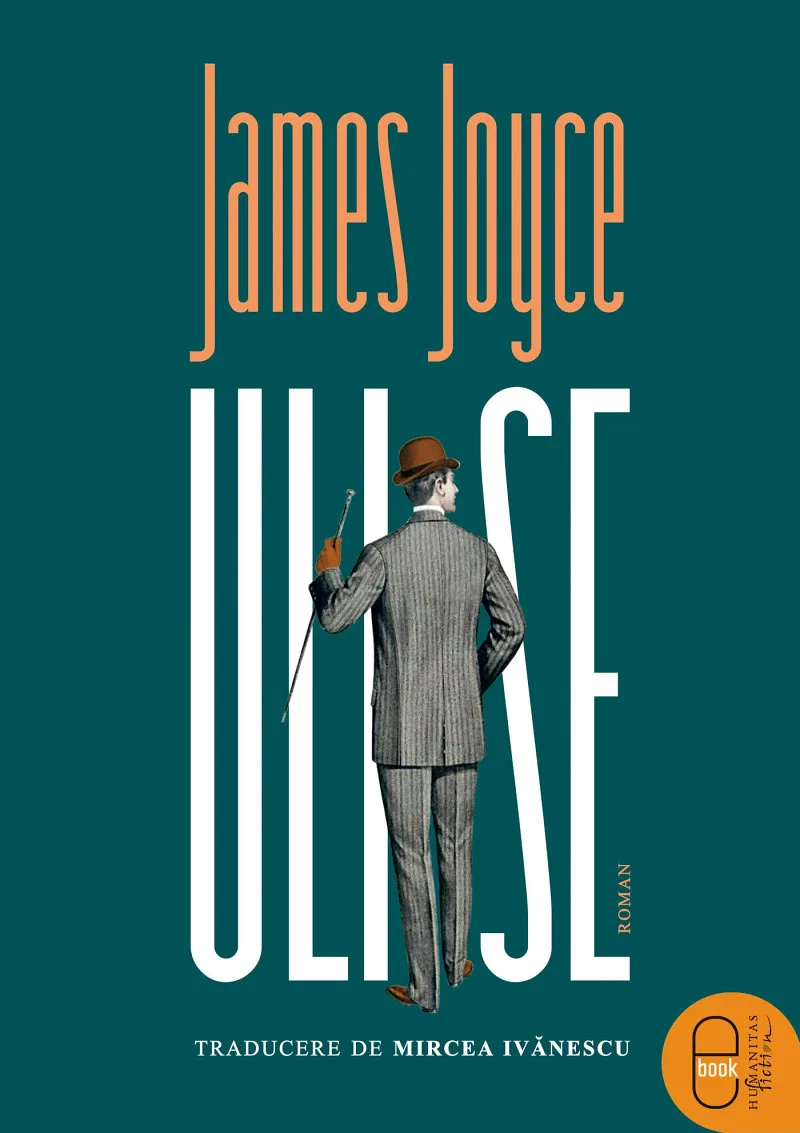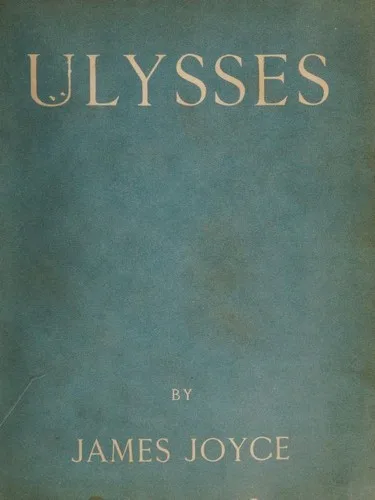
Set in Dublin on June 16, 1904, the narrative follows Leopold Bloom, an ordinary Jewish advertisement canvasser, as he moves through the city’s streets, pubs, and cemeteries. Parallel to Bloom’s wanderings, the young intellectual Stephen Dedalus grapples with his identity and grief. The story mirrors the structure of Homer’s Odyssey, transmuting epic trials into mundane encounters like eating breakfast, attending a funeral, and visiting a brothel. Through stream-of-consciousness prose, the text captures the erratic internal monologues, sensory perceptions, and subconscious associations of these characters over twenty-four hours.
Readers of modernist literature and historical fiction choose this book to witness an exhaustive reconstruction of early twentieth-century urban life. The text attracts those interested in the mechanics of human cognition and the relationship between language and reality. By the end, the reader understands how microscopic personal details—from bodily functions to fleeting insecurities—mesh with collective history. This study of the individual psyche provides a blueprint for tracking how one's interior thoughts interact with the physical world.
Insights from Ulysses
“Mr Bloom watched the seagulls. They are always hungry.”
Leopold Bloom spends his whole day worrying about his wife having an affair. He still stops to feed some seagulls. It shows how kindness survives even when your heart is breaking.
“History is a nightmare from which I am trying to awake.”
Stephen Dedalus feels so much pressure to be brilliant and meaningful. He carries his grief like a physical weight. Most of our internal struggles are just us fighting our own ghosts.
“Heavenly weather really. If it helps in the least degree.”
Everything changes when you see Bloom helping a total stranger home at night. He treats Stephen like a son. Small acts of care are the only things that truly last.
“And yes I said yes I will Yes.”
Molly Bloom lies awake thinking about her life and her lovers. Her thoughts flow without any filters or stops. It reminded me how messy and beautiful our private minds really are.
- Published
- 1914
- Language
- EN