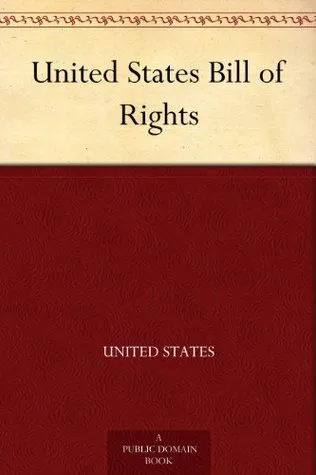
The United States Bill of Rights consists of the first ten amendments to the Constitution, drafted to address specific concerns regarding federal overreach and central authority. James Madison codified these articles to protect individual liberties, such as the freedom of speech, press, and religious assembly, while establishing legal safeguards for the accused. The text formalizes the right to trial by jury, prohibits cruel and unusual punishment, and limits the government’s power to quarter troops or conduct unreasonable searches. It concludes by reserving all non-delegated powers to the states and the people.
This document serves historians, legal scholars, and citizens seeking to understand the structural limitations placed upon American governance. Readers study this text to grasp the mechanical relationship between civil liberties and federal law. By examining the precise language of these amendments, the reader gains a functional knowledge of the protections that define the American legal framework and the historical compromises required to unify the early Republic. It provides a baseline for evaluating modern legislative debates and judicial interpretations.
- Published
- 1789
- Language
- EN
More by James Madison
See all →
Readers also enjoyed