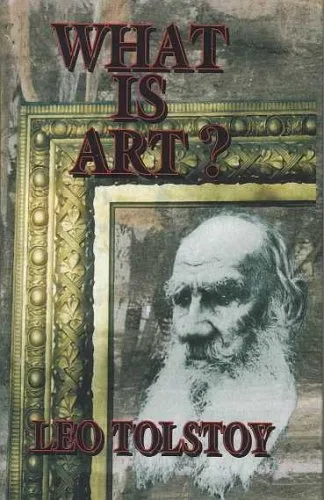
Leo Tolstoy rejects the traditional definition of art as a pursuit of beauty or pleasure. Instead, he defines art as a psychological mechanism for the transmission of emotion from the creator to the audience. He argues that true art requires "infectiousness," where a spectator experiences the exact feeling the artist intended to convey. Using this framework, Tolstoy dismisses much of the Western canon—including Beethoven, Wagner, and Shakespeare—as "counterfeit" art that caters to the elite. He argues that sincere art must be accessible to everyone and should promote universal brotherhood or religious devotion.
This text attracts students of aesthetics and social critics who want to understand the moral responsibilities of a creator. Readers gain a rigorous, albeit controversial, system for evaluating whether a work serves a social function or merely exists as a hollow ornament. It appeals to those interested in the bridge between ethics and expression. After finishing the book, a reader possesses a specific vocabulary for distinguishing between technical skill and emotional sincerity, forcing a total reappraisal of their own cultural preferences and artistic consumption habits.
- Published
- 1897
- Language
- EN