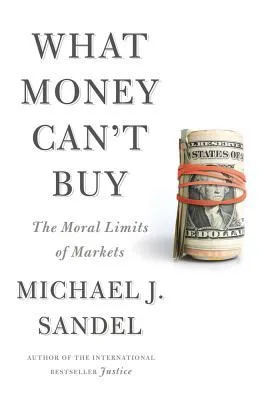
Michael Sandel examines the transition from having a market economy to becoming a market society, where commercial logic dictates areas of life previously governed by non-market norms. He analyzes specific examples such as the sale of naming rights to public parks, the use of paid professional line-standers for Congressional hearings, and the practice of companies purchasing "dead peasants" life insurance on their employees. Sandel argues that putting a price on civic goods and personal relationships can crowd out moral motivations and degrade the intrinsic value of the activities themselves.
This book serves economists, policy makers, and business students who want to understand the ethical boundaries of capitalist expansion. Readers gain a framework for distinguishing between efficient resource allocation and the commodification of social values. They walk away with a vocabulary to debate the role of money in education, health care, and environmental protection, recognizing when financial incentives undermine communal obligations. It provides the intellectual tools to determine where the market serves the public good and where it should be excluded to protect human dignity.
Deep and outward-looking; a moderate read.
Best for readers like The Systems Thinker. Which reader are you?
- Published
- 2012
- Language
- EN