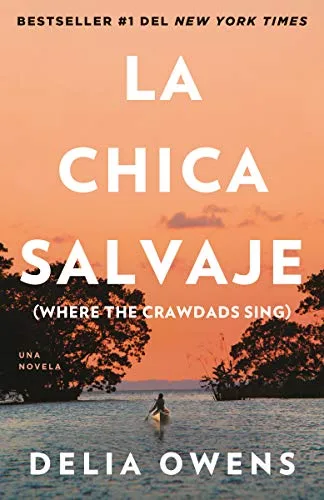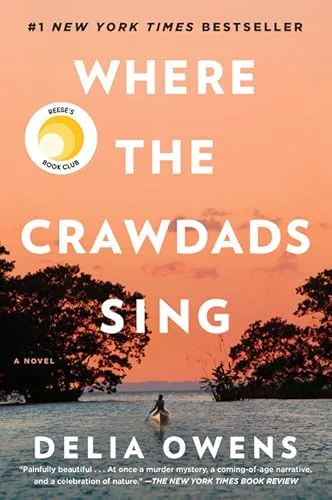
In late 1969, the body of Chase Andrews lies in the swampy mud of Barkley Cove, North Carolina. Local suspicion immediately falls on Kya Clark, known to the town as the Marsh Girl. Abandoned by her family as a child, Kya survived alone in the coastal wetlands, finding companionship in the gulls and learning complex biology from the tide pools. The narrative shifts between Kya’s isolated upbringing in the 1950s and the 1970 murder trial that threatens her freedom. As she matures, Kya navigates her first romantic interests and the harsh reality of a society that treats her as an outcast.
Readers interested in the intersection of natural history and criminal procedure will find value in this story. It appeals to those who enjoy detailed descriptions of coastal ecosystems and the mechanics of local justice systems. The book provides a look at how social isolation shapes human development and the specific ways people adapt to survive outside of conventional community structures. Readers walk away with a sense of the North Carolina marshlands and a perspective on how prejudice influences legal outcomes in small communities.
Insights from Where the Crawdads Sing
“Loneliness has a compass of its own.”
Kya survived on grits and mussels because nature was her only reliable parent. It shows how loneliness can actually become a physical presence in a house.
Jumpin and Mabel were the only ones who saw a child instead of a wild animal. Their quiet kindness kept her human when the rest of the town failed.
“Autumn leaves don't fall; they fly.”
Tate teaching Kya to read changed her entire reality. It gave her the tools to name the birds and shells that already knew her name.
Pa leaving that knapsack behind was a final breaking point. It proves that some people aren't meant for the responsibility of staying.
- Published
- 2018
- Publisher
- Hachette UK
- ISBN
- 9781472154637
- Language
- EN