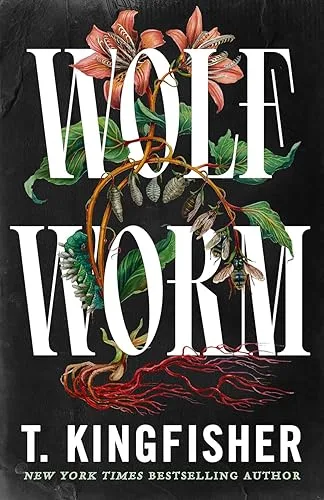
Set in a 19th-century landscape of industrial decay and superstitious dread, Wolf Worm follows a young woman tasked with tending to a family curse that has physically manifested as a parasitic entity. This creature consumes its host from the inner tissue outward, demanding constant feeding and ritualistic maintenance to prevent it from jumping to a new vessel. When the primary caretaker dies, the protagonist must navigate the medical horrors of the infection while protecting a nearby village from the ravenous hunger of the parasite.
Readers of visceral body horror and gothic fiction seek this book for its unflinching depiction of biological corruption and claustrophobic isolation. It provides a detailed look at the physical toll of inherited obligations and the grim reality of living with an unstoppable predator. Those who appreciate folk horror will find a narrative focused on the intersection of ancient myths and the fragility of the human body. The story leaves the reader with a stark assessment of how far an individual will go to contain a monster of their own making.
Insights from Wolf Worm
Sometimes the most heroic thing you can do is stay quiet. Survival often depends on knowing exactly when to stop talking.
Stray dogs are just as much a part of the family as the children. Kingfisher treats their safety like a moral compass for the whole village.
“The laundry does not care if there are monsters in the woods.”
Living near a monster requires a certain kind of practical exhaustion. You still have to do the laundry while the world ends.
Fear makes people do terrible things to their neighbors. It starts with a whisper and ends with a locked door while someone screams.
- Published
- 2026
- Publisher
- Tor Nightfire
- ISBN
- 9781250829825
- Language
- EN