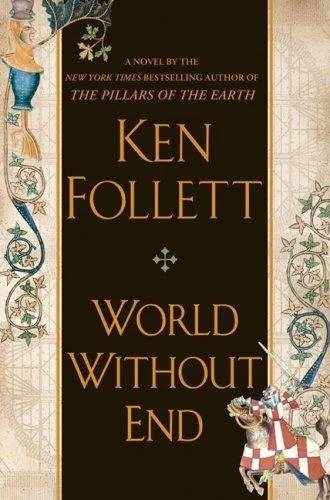
Two centuries after the construction of the Kingsbridge cathedral, the community faces the arrival of the Black Death and the start of the Hundred Years' War. The plot follows four perspective characters—Caris, Merthin, Gwenda, and Ralph—who witness a secret in the forest as children that impacts their adult lives. The narrative tracks their efforts to modernize the town through stone bridge building and medical innovation while they clash with a conservative church hierarchy and a rigid feudal system during a period of massive demographic collapse.
Historical fiction enthusiasts read this book to understand the social and economic shifts of fourteenth-century England. It provides a detailed look at how the plague altered labor markets and challenged traditional religious authority. Readers walk away with a specific understanding of medieval architectural techniques, early surgical practices, and the legal struggles of the peasantry. It serves those interested in how individual ambition functions within a society transitioning from the Middle Ages toward the early modern era.
Insights from World Without End
The way the monks fought against new ideas like the hospital was frustrating. Change always seems to scare the people who have the most power.
“He had loved her all his life.”
Caris and Merthin spend their whole lives trying to get back to each other. Real love looks like waiting through decades of bad timing.
“The war was a distant thunder.”
Kings fight wars in France while the people at home just want to eat. It shows how little the people at the top actually see.
“A man who builds a cathedral is building a path to heaven.”
Merthin builds things that last long after people die. It made me think about how physical objects outlive our messiest dramas.
- Published
- 1961
- Language
- EN