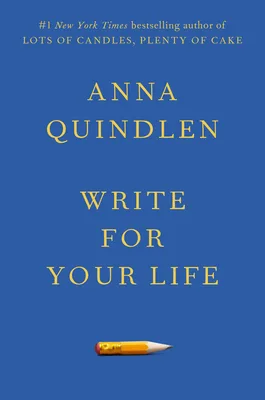
In this work, Anna Quindlen argues that manual writing serves as a primary tool for emotional regulation and intellectual clarity. She examines the practice of keeping physical journals, composing handwritten letters, and documenting daily observations as a means of self-preservation. Quindlen supports her case with historical examples, such as the wartime diaries of Anne Frank, alongside contemporary anecdotes from doctors, students, and prison inmates. The book focuses on the cognitive benefits of the creative process, emphasizing how translating private thoughts into written words helps individuals process trauma, define their identities, and leave a permanent record of their existence in a digital age.
This book is intended for educators, students, and anyone who feels overwhelmed by instantaneous digital communication. Readers look to this text to find practical justification for maintaining a solitary writing practice. It provides a rationale for choosing a pen and paper over a keyboard to improve memory and mental health. Those who finish the book walk away with a specific framework for using writing as a regular habit to navigate grief, document personal history, and foster deeper connections with others through long-form correspondence.
- Published
- 2022
- Language
- EN