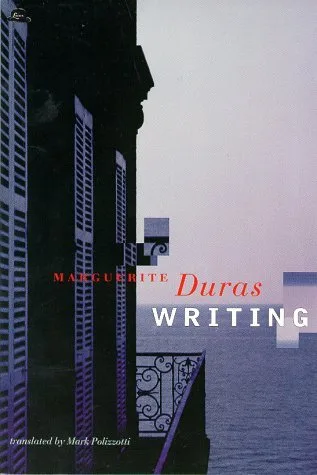
Marguerite Duras examines the physical and psychological conditions necessary for literary production, focusing on the radical solitude required to produce a text. She identifies the house at Neauphle-le-Château as a site where the act of writing mimics a form of madness or a total loss of self. The text outlines the relationship between the author’s internal silence and the external world, specifically addressing how the presence of alcohol, domestic animals, and historical tragedies like the death of a young British pilot during World War II intersect with the creative process. Duras treats writing as an uncontrollable, visceral function rather than a planned intellectual exercise.
This collection serves writers, students of French literature, and practitioners of the "nouveau roman" style. Readers turn to these essays to understand the demands of a dedicated creative life and the mental isolation it imposes. The book provides a framework for viewing authorship as an act of endurance and vulnerability. Instead of offering practical writing prompts, it offers a meditation on the discipline of being alone. Readers walk away with a perspective on how personal environments and private obsessions dictate the rhythm and content of a finished manuscript.
- Published
- 1993
- Language
- EN